
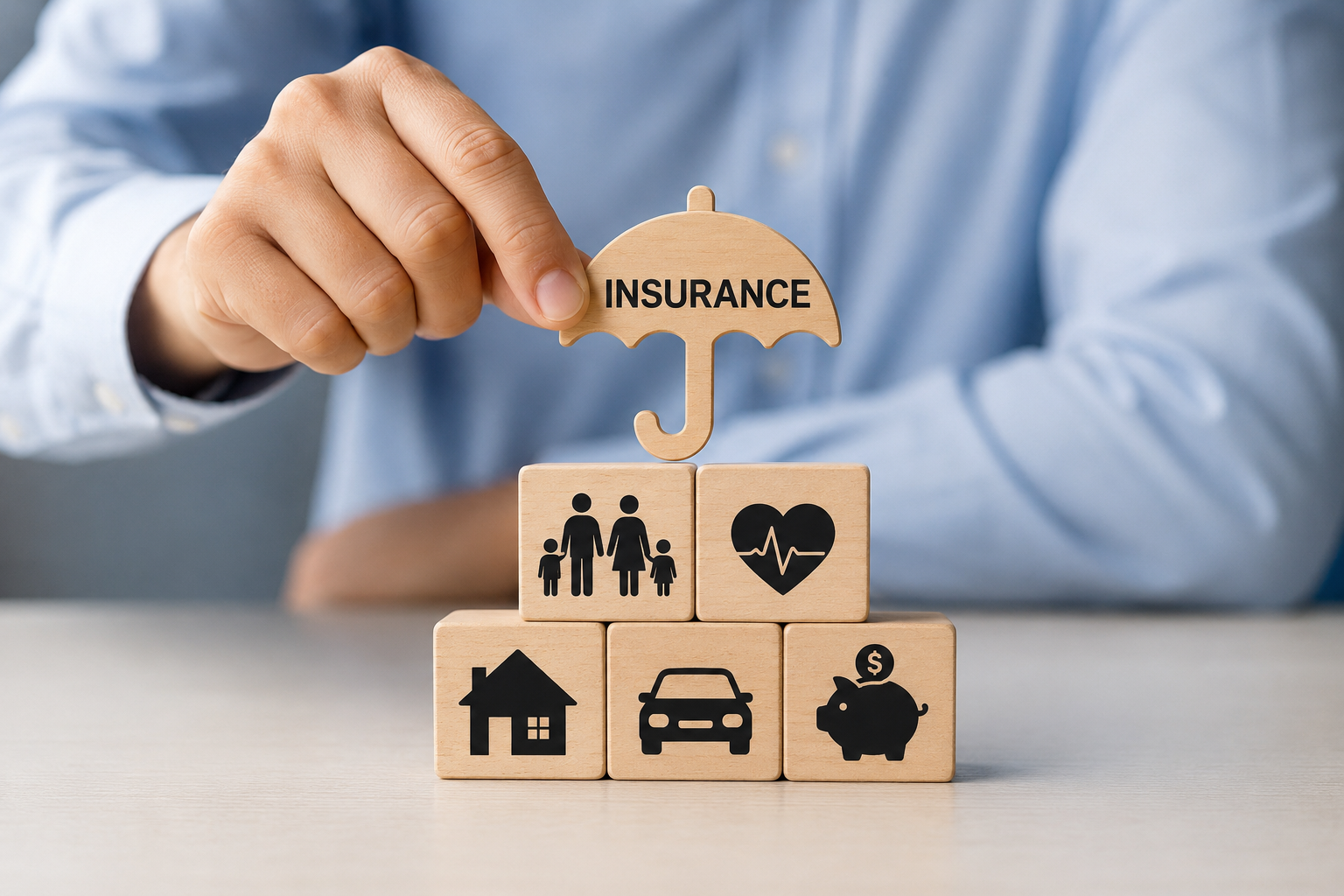
Insurance is one of the most important financial tools available today. It provides protection against unexpected events and helps individuals, families, and businesses recover from financial losses. From health emergencies and car accidents to property damage and cyber threats, insurance offers peace of mind and financial stability.
As the global economy becomes increasingly unpredictable, having the right insurance coverage is no longer optional—it is essential. Understanding how insurance works and choosing the right policies can help secure your future and protect your assets.
What Is Insurance?
Insurance is a financial agreement between an individual or business and an insurance company. In exchange for regular premium payments, the insurer promises to provide compensation for specific losses covered by the policy.
Insurance works by spreading risk among many policyholders. Everyone contributes through premiums, and those funds are used to help people who experience covered losses. This system allows individuals and organizations to recover from costly events without bearing the entire financial burden themselves.
Why Insurance Is Important
Life is unpredictable, and unexpected expenses can quickly become overwhelming. Insurance provides a financial safety net that protects people from major losses and allows them to recover more easily.
Financial Protection
Medical bills, home repairs, lawsuits, and vehicle damage can cost thousands of dollars. Insurance helps cover these expenses and prevents savings from being depleted.
Peace of Mind
Knowing that you have protection against emergencies provides confidence and reduces stress. Insurance helps individuals focus on long-term goals without constantly worrying about financial risks.
Support During Emergencies
Whether facing illness, natural disasters, theft, or accidents, insurance offers immediate financial assistance when it is needed most.
Family Security
Life insurance and health insurance help families maintain financial stability and cover essential expenses during difficult times.
Business Stability
Companies rely on insurance to protect assets, employees, and operations from unexpected losses that could threaten profitability.
Major Types of Insurance
Health Insurance
Health insurance helps cover medical expenses such as doctor visits, hospitalization, surgeries, medications, and preventive care.
Benefits include:
- Reduced healthcare costs.
- Access to quality medical services.
- Protection against expensive emergencies.
- Better financial security.
With healthcare costs continuing to rise, health insurance remains one of the most valuable investments individuals can make.
Life Insurance
Life insurance provides financial support to beneficiaries after the death of the insured person. It helps families pay for:
- Living expenses.
- Mortgage payments.
- Children’s education.
- Outstanding debts.
- Funeral expenses.
Common forms of life insurance include term life insurance and permanent life insurance policies.
Auto Insurance
Auto insurance protects drivers from financial losses caused by accidents, theft, and damage.
Coverage options often include:
- Liability coverage.
- Collision coverage.
- Comprehensive protection.
- Medical payments.
- Uninsured motorist coverage.
Many countries require drivers to maintain minimum auto insurance coverage.
Homeowners Insurance
A home is one of the largest investments most people make. Homeowners insurance helps protect against losses caused by:
- Fire.
- Storms.
- Theft.
- Vandalism.
- Certain natural disasters.
Home insurance policies usually include both property protection and liability coverage.
Renters Insurance
Renters insurance protects personal belongings and provides liability coverage for tenants. Even though landlords insure buildings, tenants are responsible for protecting their own possessions.
Business Insurance
Businesses face numerous risks every day. Business insurance helps companies recover from unexpected setbacks.
Popular forms include:
- General liability insurance.
- Professional liability insurance.
- Commercial property insurance.
- Workers’ compensation insurance.
- Cyber insurance.
Proper insurance coverage can prevent small problems from becoming major financial disasters.
Factors That Affect Insurance Premiums
Insurance costs vary depending on several factors.
Age
Age influences risk levels. Younger drivers often pay higher auto insurance premiums, while older individuals may face increased health insurance costs.
Health Condition
Medical history and lifestyle choices affect health and life insurance rates.
Location
Areas with high crime rates or frequent natural disasters often experience higher insurance premiums.
Driving History
Safe drivers usually enjoy lower insurance costs, while accidents and traffic violations can increase rates.
Coverage Limits
Higher coverage amounts provide greater protection but generally require higher premiums.
Deductibles
Choosing a higher deductible can lower monthly payments, although policyholders will pay more out of pocket when filing claims.
How to Choose the Right Insurance Policy
Understand Your Needs
Identify the assets and risks that require protection. Consider income, family responsibilities, property ownership, and health conditions.
Compare Insurance Companies
Different providers offer varying prices and benefits. Comparing multiple quotes helps consumers find the best value.
Read Policy Details Carefully
Always understand:
- Coverage limits.
- Exclusions.
- Waiting periods.
- Deductibles.
- Claim procedures.
Knowing the details prevents unpleasant surprises during claims.
Consider Customer Service
Reliable insurers should provide efficient claims processing and quality customer support.
Update Policies Regularly
Major life events such as marriage, having children, buying a house, or starting a business may require policy adjustments.
Emerging Insurance Trends in 2026
Artificial Intelligence
Insurance companies increasingly use artificial intelligence to improve customer service, detect fraud, and speed up claims processing.
Usage-Based Auto Insurance
Telematics technology allows insurers to reward safe drivers with lower premiums based on actual driving habits.
Cyber Insurance Expansion
As cyberattacks become more common, businesses and individuals are investing in cyber insurance to protect against digital threats and data breaches.
Digital Insurance Platforms
Consumers can now purchase policies, manage accounts, and file claims online, making insurance more accessible and convenient.
Personalized Coverage
Advanced data analytics enable insurers to offer customized policies tailored to individual risk profiles.
Common Insurance Mistakes to Avoid
Many people make mistakes that leave them financially vulnerable.
Avoid these common errors:
- Buying inadequate coverage.
- Choosing policies based only on low premiums.
- Ignoring exclusions.
- Failing to review policies regularly.
- Delaying life insurance purchases.
- Not comparing multiple providers.
- Underestimating liability risks.
Proper planning helps ensure maximum protection and long-term financial security.
Benefits of Having Adequate Insurance
Insurance offers advantages beyond financial compensation.
These include:
- Greater peace of mind.
- Improved financial planning.
- Faster recovery from emergencies.
- Protection of valuable assets.
- Long-term wealth preservation.
- Family financial stability.
- Business continuity.
Insurance helps people prepare for uncertainties and maintain confidence in their financial future.
Conclusion
Insurance plays a vital role in modern financial planning. It protects individuals, families, and businesses from unexpected events that could otherwise cause serious financial hardship. Whether it is health insurance, life insurance, auto insurance, homeowners insurance, or business coverage, the right policy provides security and peace of mind.
As risks evolve and technology transforms the industry, insurance continues to be an essential tool for building a stable and prosperous future. Investing in the right coverage today can protect your wealth, support your loved ones, and provide confidence in tomorrow.